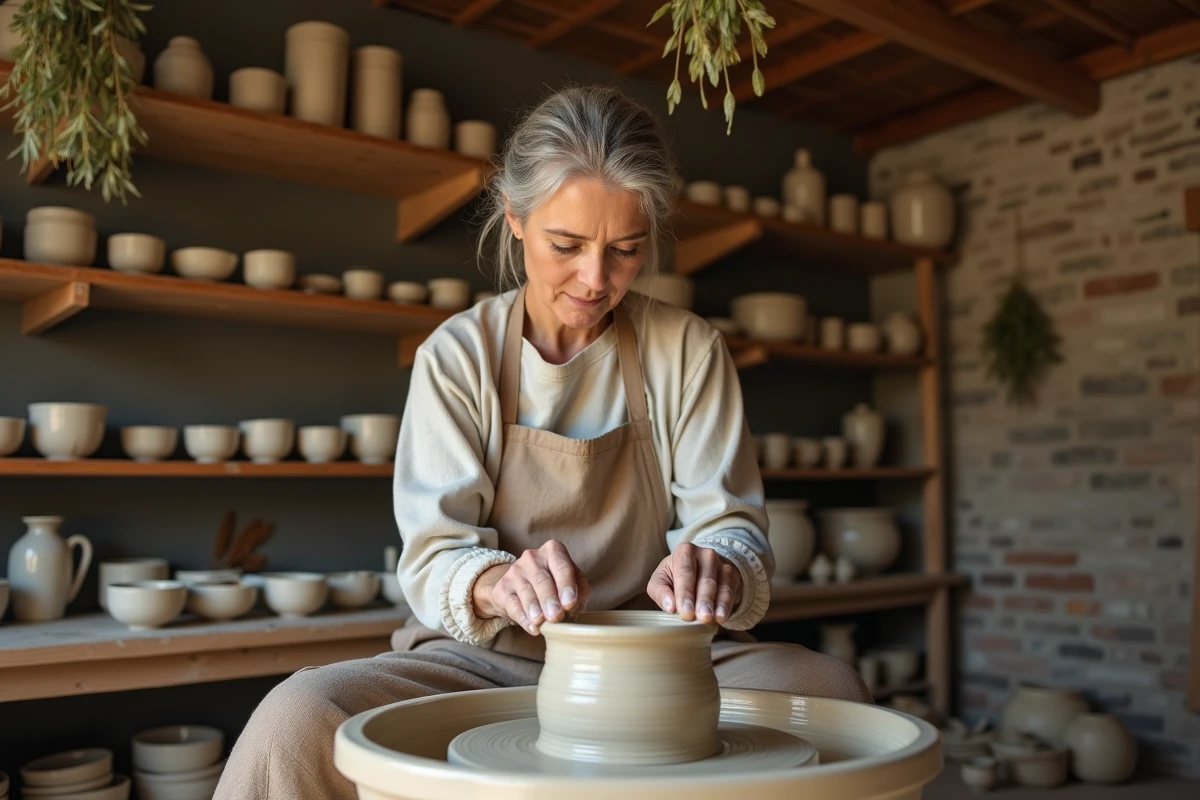
Local craftsmanship refers to all production and creation activities carried out by qualified professionals on a small scale in a given territory. In France, this economic fabric relies on manual skills passed down in workshops, often linked to a regional raw material: earth, wood, textiles, metal, glass. Understanding how these trades are structured today allows for the identification of concrete initiatives accessible nearby.
Craft Third Places: A New Workshop Format in Neighborhoods
In recent years, artisans no longer work solely in commercial areas or historic city centers. A new format is gaining ground: the craft third place, also known as shared manufacturing or territorial workshop.
The principle is simple. Several artisans pool a space (industrial wasteland, community room, former warehouse) to set up their workshops, share machines, and welcome the public. These places are supported by the National Agency for the Cohesion of Territories, particularly through the “New Places, New Links” program.
This model changes the relationship between artisan and resident. A ceramicist, a cabinetmaker, and a leatherworker sharing the same building make their trades visible on a daily basis. Visitors can observe the ongoing work, ask questions, and sometimes participate in introductory workshops. Craftsmanship breaks out of the isolation of the individual workshop to become an open living space.
Creators who wish to promote their local production and offer direct sales of handmade pieces can rely on dedicated platforms, such as https://www.orvinfait.fr/, which connects artisans and buyers around regional creations.
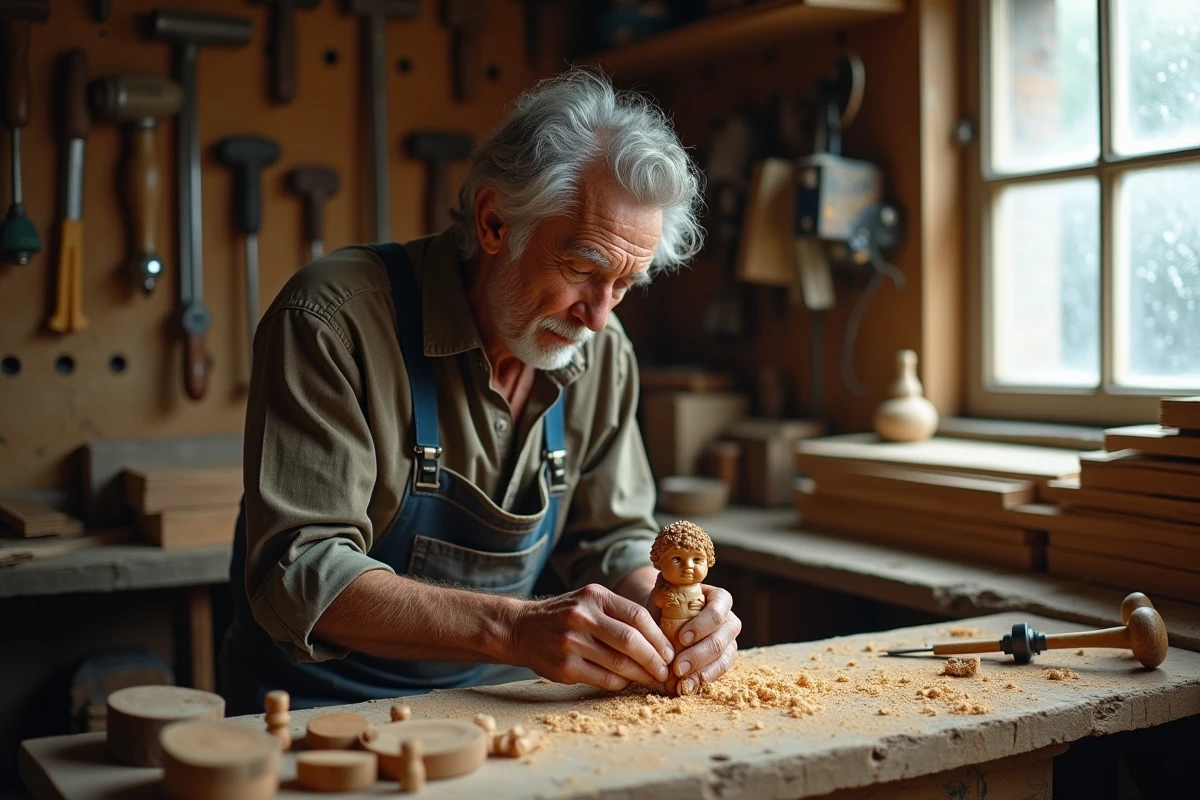
Labels “Artisanal Production”: What the Regulations Really Impose
Buying a product labeled “artisanal” or “made in France” at a local market does not guarantee anything in itself. The DGCCRF (Directorate General for Competition, Consumer Affairs and Fraud Control) has been reminding us for a few years of the strict conditions for using these labels in commercial communications.
An “artisanal production” label commits the producer to the manual and non-industrial nature of their production. Any misleading use exposes one to sanctions for deceptive commercial practices. The Climate and Resilience Law, whose implementing decrees are being gradually rolled out, also strengthens the requirement for transparency regarding the environmental impact of products.
For consumers, a few reflexes can help verify the sincerity of an artisanal approach:
- The artisan is registered in the Directory of Trades and can provide their registration number upon request.
- The place of manufacture is identifiable: a visitable workshop or a precise address, not just a P.O. box.
- The raw materials are described with their geographical origin, without vague formulations like “noble materials” or “quality product.”
Checking these points before a purchase protects both the buyer and the artisans who comply with regulations.
Participatory Workshops with Artisans: Wecandoo, Les Affûtés, and Other Platforms
Discovering local craftsmanship no longer only involves visiting or buying. In recent years, matchmaking platforms have offered in-person participatory workshops at artisans’ locations, with a notable increase in demand in major French metropolitan areas.
Wecandoo, Les Affûtés, and La Maison des Makers (supported by Ulule) operate on a comparable model: an artisan opens their workshop for half a day or a full day, welcomes a small group, and teaches a specific technical gesture. Participants work with clay, leather, wood, or metal, and leave with the object they created.
This format differs from traditional leisure courses by one key point: the participant works in the artisan’s actual workshop, with their professional tools, not in a generic training room. The contact with the craft is direct.
For artisans, these workshops represent an additional source of income and a visibility channel. A potter located in a rural area can reach an urban audience that travels specifically for the experience. The connection between living heritage and the local economy is realized through the visit itself.
Identifying Craft Skills in Your Region
The map of crafts, maintained by the Chambers of Trades and Crafts, lists artisans by region, specialty, and type of welcome (workshop visits, direct sales, training). This is the most reliable entry point to identify active professionals near you.
Beyond this directory, several signals indicate the artisanal vitality of a territory:
- The presence of a third place or an open artisan wasteland, often signaled by the town hall or tourist office.
- European Days of Crafts (held every spring) with open workshops and demonstrations.
- Short training sessions offered by local artisans via workshop booking platforms.
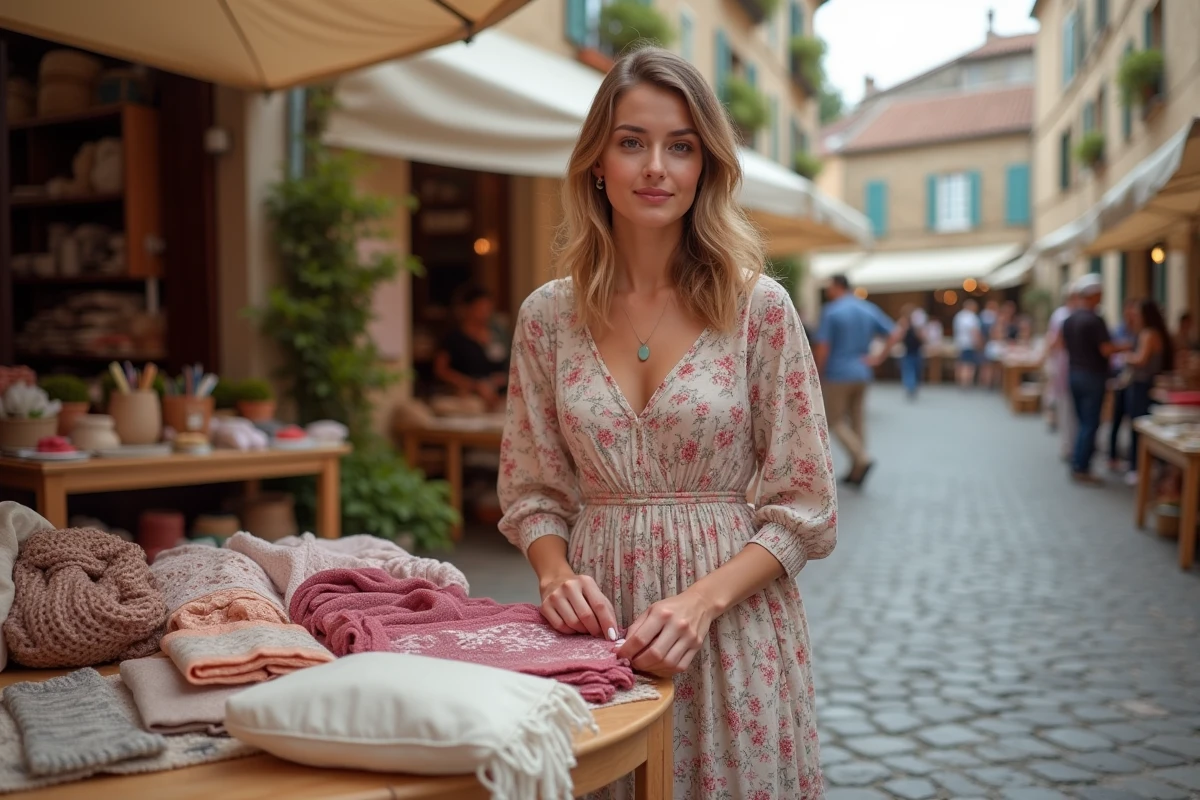
- Regular creator markets, distinct from flea markets, where exhibitors make what they sell themselves.
The difference between a resale market and a creator market lies in a simple criterion: the artisan present at the stand is also the one who made the item. This direct link between producer and buyer remains the most reliable marker of authentic local craftsmanship.
Initiatives that bring artisans and residents closer together are multiplying in various forms, from shared third places to participatory workshops, as well as digital matchmaking platforms. The common thread remains transparency: regarding the origin of the product, the place of manufacture, and the technical gesture employed. It is this clarity that allows for the distinction between genuine artisanal know-how and a mere commercial argument.