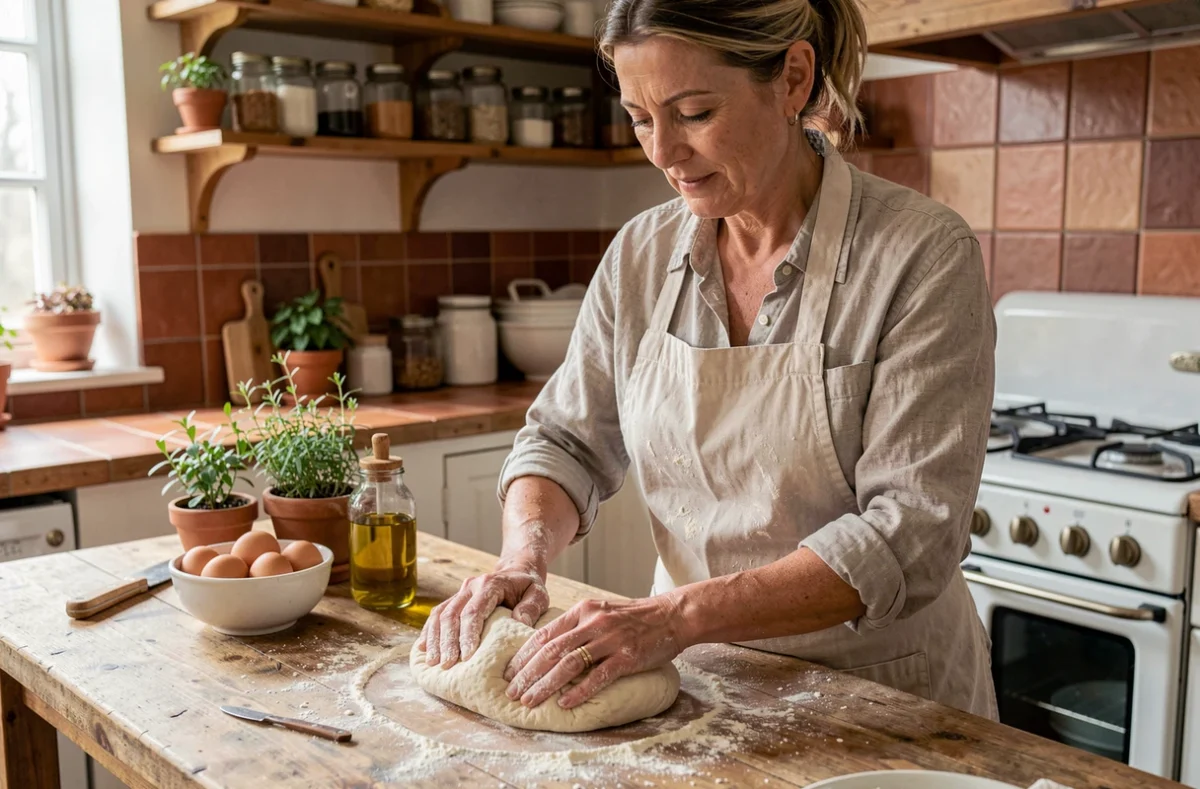
Preparing a meal the whole family will enjoy without spending the entire evening in the kitchen is a challenge for most parents during the week. Family-friendly homemade meals are based on a simple principle: everyday ingredients, quick preparation and a result that both kids and adults are happy to finish. Everyday cooking is less about sophistication than a few practical habits.
Cooking with canned and frozen foods without sacrificing flavor
Everyday family meals don’t have to rely on fresh produce. Have you noticed that some frozen vegetables retain more flavor than their fresh counterparts after sitting in the fridge for too long? It’s an underused advantage.
Frozen green beans, peas and spinach portions can go straight into the pan without thawing. Canned tomatoes (whole peeled or chopped) make a great base for a pasta sauce, casserole or shakshuka in under twenty minutes. Canned coconut milk can turn leftover vegetables into a quick curry.
Combining fresh, frozen and canned ingredients lowers the cost per serving while reducing food waste. A bag of dried lentils, a can of tomatoes and an onion are all you need for a hearty soup that feeds four. No special equipment required: just a saucepan, a knife and a cutting board. With food budgets remaining a major concern for many families, this kind of homemade meal makes perfect sense.
At mimilacocotte.fr, you’ll also find ideas for complete meals designed for everyday kitchens, with no fancy equipment or endless ingredient lists.
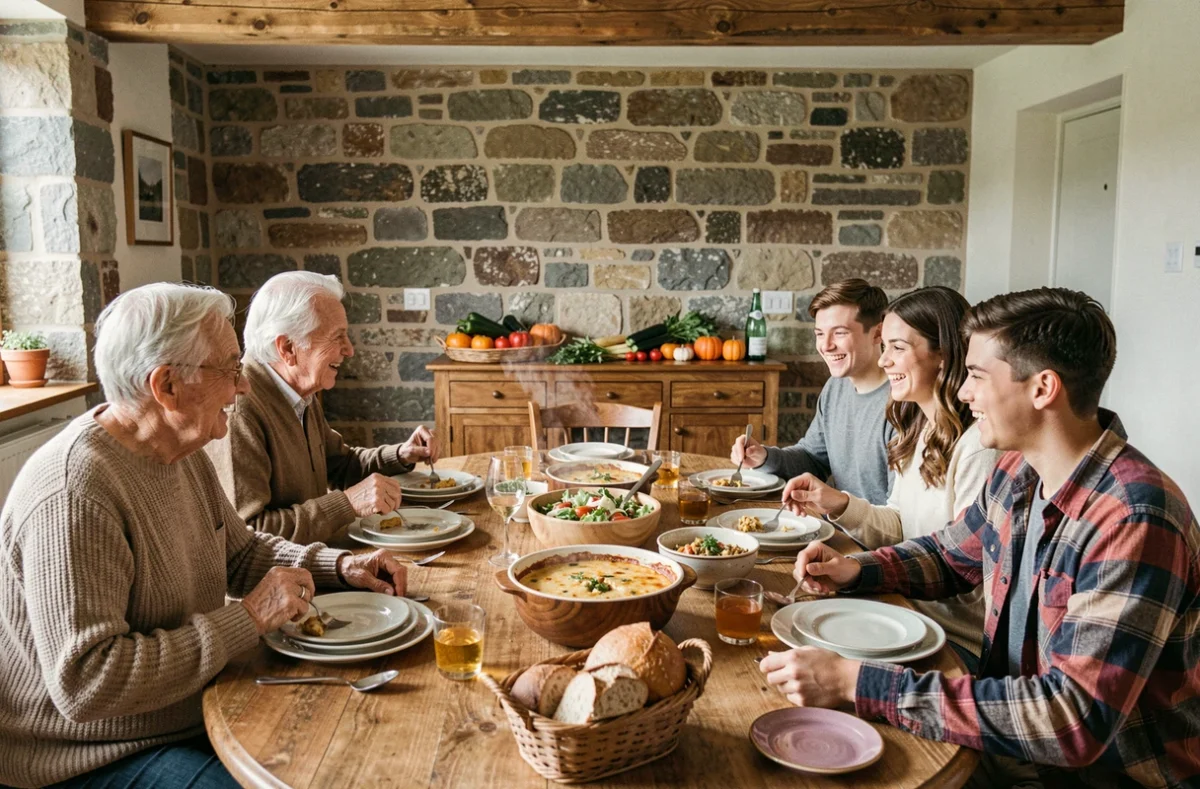
Family meals for the week: three staples that make all the difference
Rather than looking for a different recipe every night, it’s more effective to master a few versatile basics. Three preparations can cover most family dinners without anyone getting bored.
All-purpose pastry
Homemade shortcrust pastry (flour, butter, water and salt) takes five minutes to make. Use it for a quiche, vegetable tart or chicken pie. The idea is to change the filling while keeping the same base. Leek quiche on Monday, tomato and mustard tart on Thursday. Before long, it becomes second nature.
A big batch of stew
A vegetable stew, meat-free chili or chickpea curry can be made in a batch for two meals. Serve the first portion that evening. Reheat the second the next day or freeze it to free up an entire evening. Cooking a double batch cuts your time in the kitchen in half.
Quick casserole
Cooked vegetables (zucchini, broccoli, potatoes), quick béchamel sauce (butter, flour, milk) and grated cheese. Twenty minutes to prepare, twenty minutes in the oven. Kids will eat a cheesy casserole without complaint, while parents can sneak in the week’s vegetables.
- Quiche or savory tart: easy to adapt to any leftover vegetables in the fridge, with or without meat
- Big-batch stew: ideal for busy evenings; freezes well in airtight containers
- Vegetable casserole: a hit with most kids thanks to the melted cheese, and ready in forty minutes
Quick homemade desserts: chocolate, fruit and simple ideas
Dessert is always something to look forward to, especially for younger kids. You don’t need elaborate baking to end a meal on a sweet note.
A basic chocolate cake calls for four ingredients (chocolate, butter, eggs and sugar) and thirty minutes in the oven. One cake can cover both snack time and dessert for two days. Homemade applesauce (cook apples with a little cinnamon, then mash roughly) takes fifteen minutes to make and keeps in the fridge for several days.
For an easy change of pace, crêpes are a classic the whole family can make together. Let the batter rest while you eat the main course, then everyone can add their own toppings. Jam, melted chocolate, banana: dessert becomes a chance to spend time together rather than another chore.
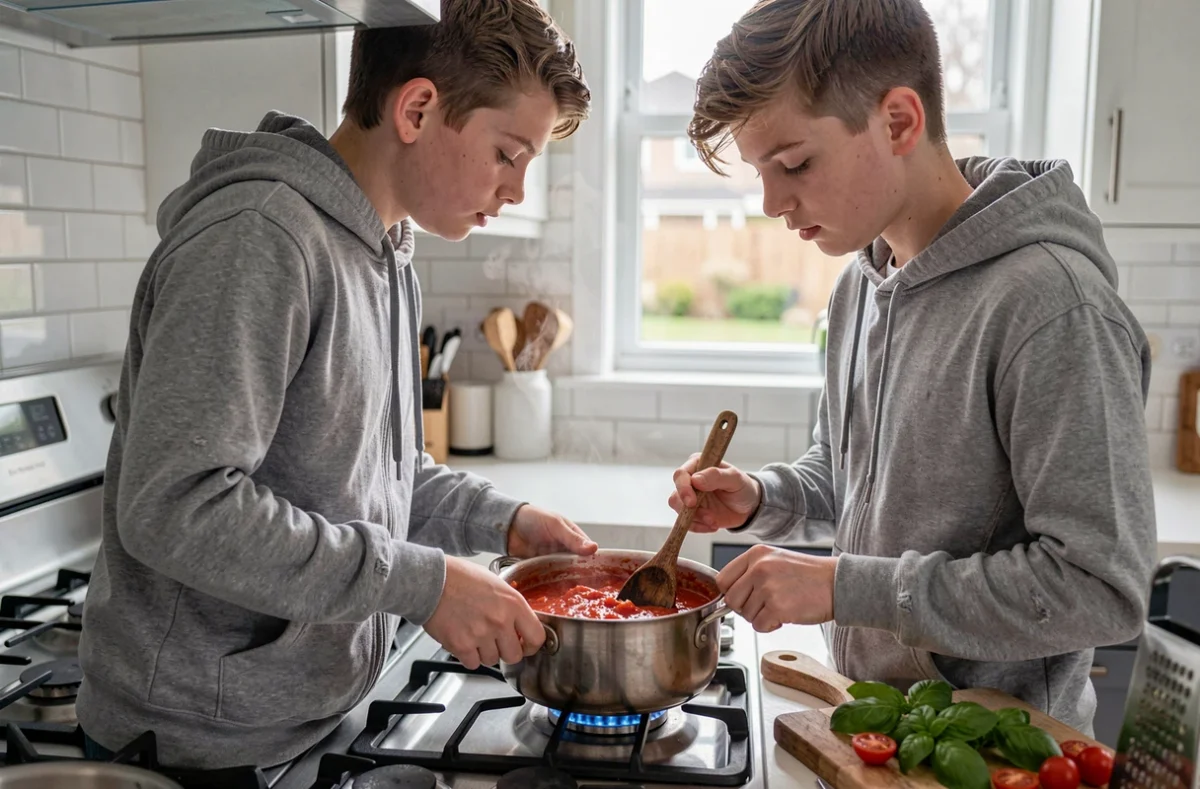
Everyday kitchen organization: the real time-saver
The main obstacle to everyday home cooking isn’t a lack of recipes. It’s a lack of time and routine. A few habits can make a real difference.
Prepping vegetables for Monday through Wednesday in one session on Sunday evening takes twenty minutes. Peel, chop and store them in containers in the fridge. During the week, all you have to do is assemble and cook.
Why does this work? Because evening fatigue makes ready-made meals tempting. When the vegetables are already chopped, that extra effort disappears. Soup, stir-fry or casserole can be started in five minutes instead of twenty.
- Chop vegetables ahead of time and store them in sealed containers in the fridge
- Keep a basic pantry stocked at all times: pasta, rice, canned tomatoes, eggs, onions and grated cheese
- Plan three out of five meals, leaving two evenings flexible for leftovers or spontaneous cravings
- Get the kids involved in simple tasks (washing vegetables, mixing batter) to lighten the mental load
Consistency matters more than perfection. A simple homemade meal, even if it’s repetitive, is still better for your health and your budget than alternating between processed meals and ambitious recipes that never get finished.
Families who cook every day don’t follow dozens of recipes. They rotate through a repertoire of eight to ten tried-and-true dishes, adapting them to the seasons and what’s on sale. It’s this rotation, rather than constant novelty, that makes family cooking sustainable over the long term.