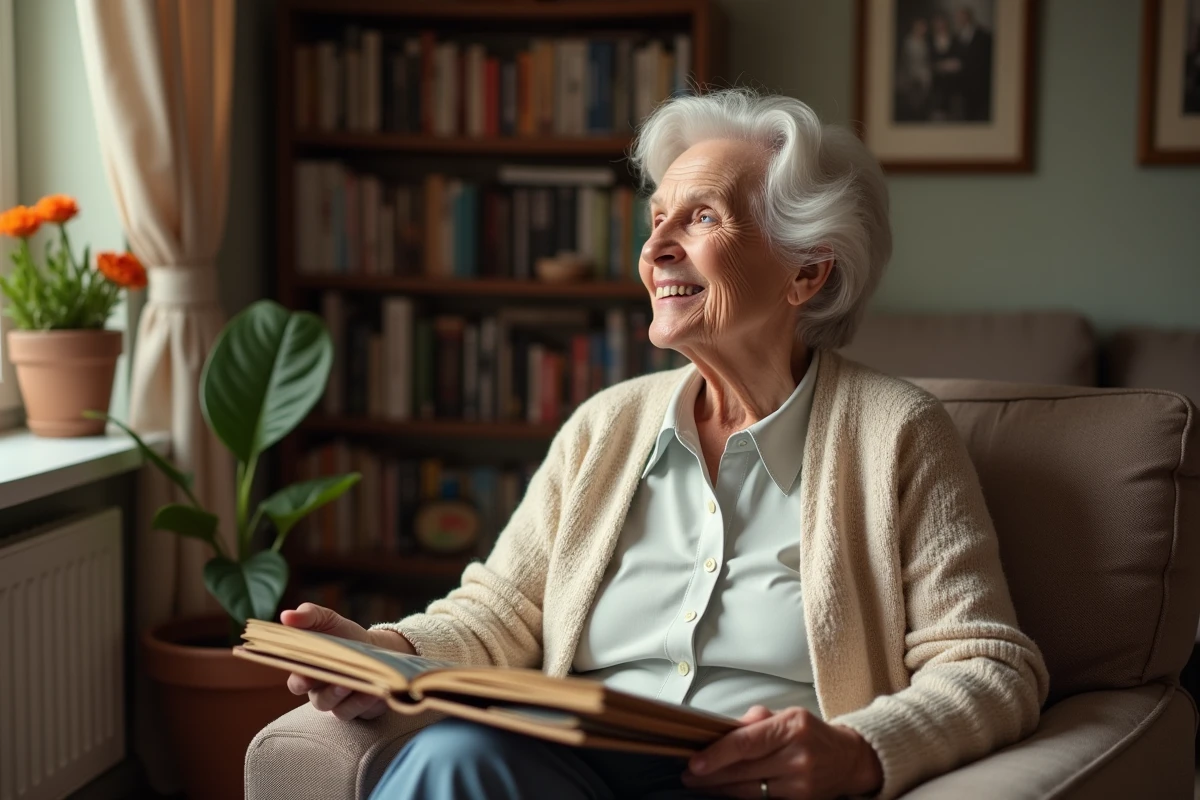
In 1970, fewer than 10,000 people aged 90 or older were recorded in France. Fifty years later, this number exceeds 600,000. The increase in the number of nonagenarians has been accelerating significantly since the beginning of the 21st century.
The rapid growth of this age group is changing the demographic structure of the country. Projections from Insee indicate that this trend is expected to continue over the coming decades, driven by the aging of the baby boomer generation and improvements in life expectancy.
Living beyond 90: how many French people are affected today?
France in 2023 no longer resembles that of the turn of the 1970s. Aging to 90 years old was once almost a marvel. Now, according to Insee, more than 600,000 people live beyond this venerable milestone across the country. Women dominate the statistics: nearly 500,000 compared to about 130,000 men, a direct consequence of a still significant longevity gap.
This group remains relatively small on a national scale, accounting for less than 1% of the total population. But their growth is not slowing down. A striking figure is increasingly circulating: in 1970, there were barely 10,000 nonagenarians on French soil; today, the number of people aged over 90 in France is growing with a regularity that changes the face of the country every decade.
This surge is reflected well beyond the pages of statistics. Hospitals, housing, and home services are adjusting to this new wave. However, the vast majority of nonagenarians still live at home, often supported by family or through the APA (personalized autonomy allowance). Nathalie Blanpain (Insee Première) emphasizes that this massive choice of staying at home is based as much on the desire for autonomy as on strong family solidarity.
Another notable fact: centenarians are no longer an exception. Nearly 30,000 French people have crossed the 100-year mark, again with a very strong majority of women. This evolution raises questions for society regarding support, the place of the elderly, transmission, and our ability to ensure everyone a dignified and vibrant old age.
Rising numbers: evolution since 1970 and projections for the coming decades
The aging of the French population is now out in the open. Surpassing its symbolic threshold of 10,000 nonagenarians half a century ago, the country now exceeds 600,000. This is not a coincidence: advances in health, prevention, and improved quality of life contribute to increasing life expectancy.
The statistical projections made by Insee and presented by Nathalie Blanpain are clear: if the trend continues, the million mark for nonagenarians could be crossed before 2040. This movement does not occur in isolation: across Europe, baby boomers are now reaching old age, redistributing social and economic balances.
The age pyramids reflect this transformation. Each table, each curve confirms the same shift: the core of the population is aging, and the number of centenarians continues to rise. As time goes on, the boundary of “very old age” is gradually fading.
This phenomenon questions all the pillars of French society. Public policies must adjust; solidarities must be reinvented. Longevity, more than ever, influences future debates. Because every decade, the threshold shifts, forcing a rethinking of what aging means, both individually and collectively.
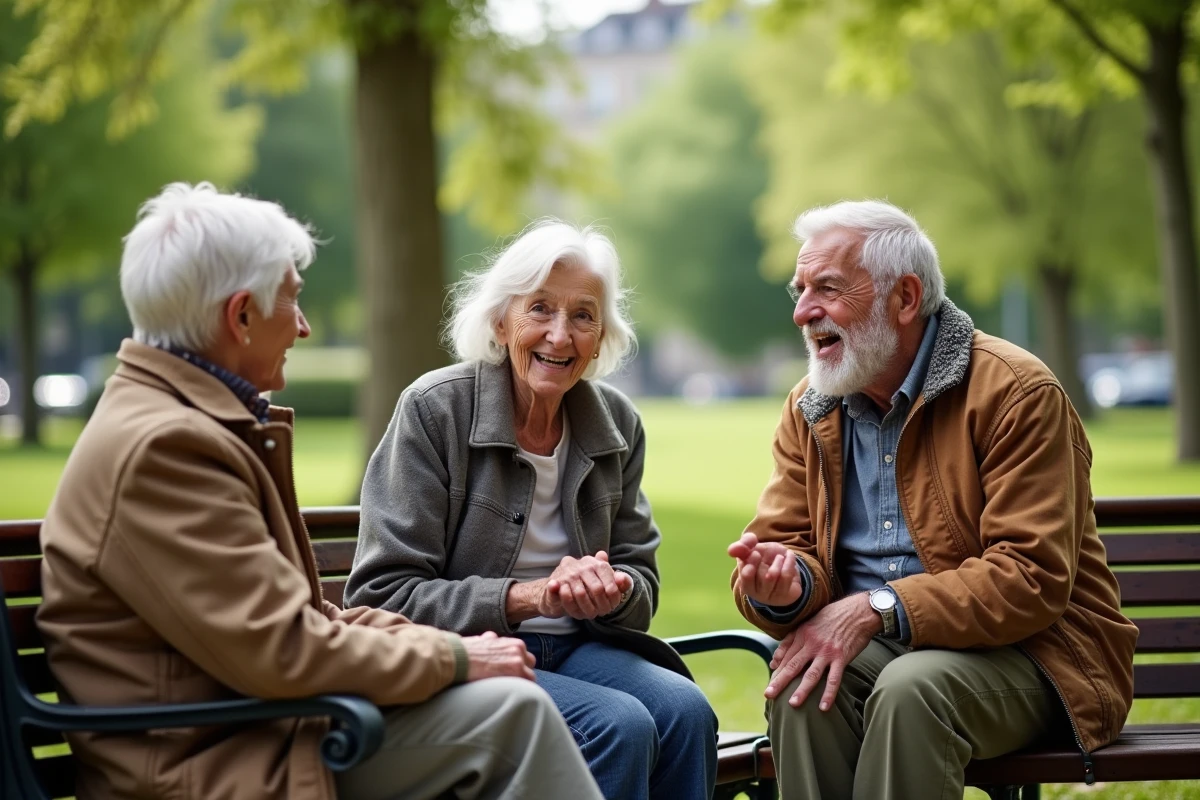
What factors explain this longevity and what challenges for French society?
This upheaval is not random. Behind these numbers are decades of health evolution: better care, widespread prevention, improved management of chronic diseases. Today, life expectancy exceeds 82 years, according to the latest French mortality analyses.
But medicine is not the only factor. On several fronts, society has changed: more balanced diets, declining smoking rates, a generally more favorable environment, rising living standards… All of these levers contribute to longer life. Notably, nearly 80% of people over 90 are women, a dominance that reveals both the strength and vulnerability of this very old age.
The challenges for society
Gaining years of life also means facing unprecedented realities. The APA helps cover some needs, but pressure continues to mount on home care services, nursing homes, and families. The healthcare system, solidarity networks, and public budgets are all closely affected.
To address this evolution, several clear action areas are emerging:
- Adapting housing and cities to the demands of aging
- Strengthening the workforce and training of health and support professionals
- Breaking isolation by developing support circles around elderly individuals
It is impossible to ignore: aging is no longer a special case; it is a massive fact that is settling at the heart of society. And behind every nonagenarian, there is much more than a statistic; there is a story, and a reminder that longevity now concerns everyone.