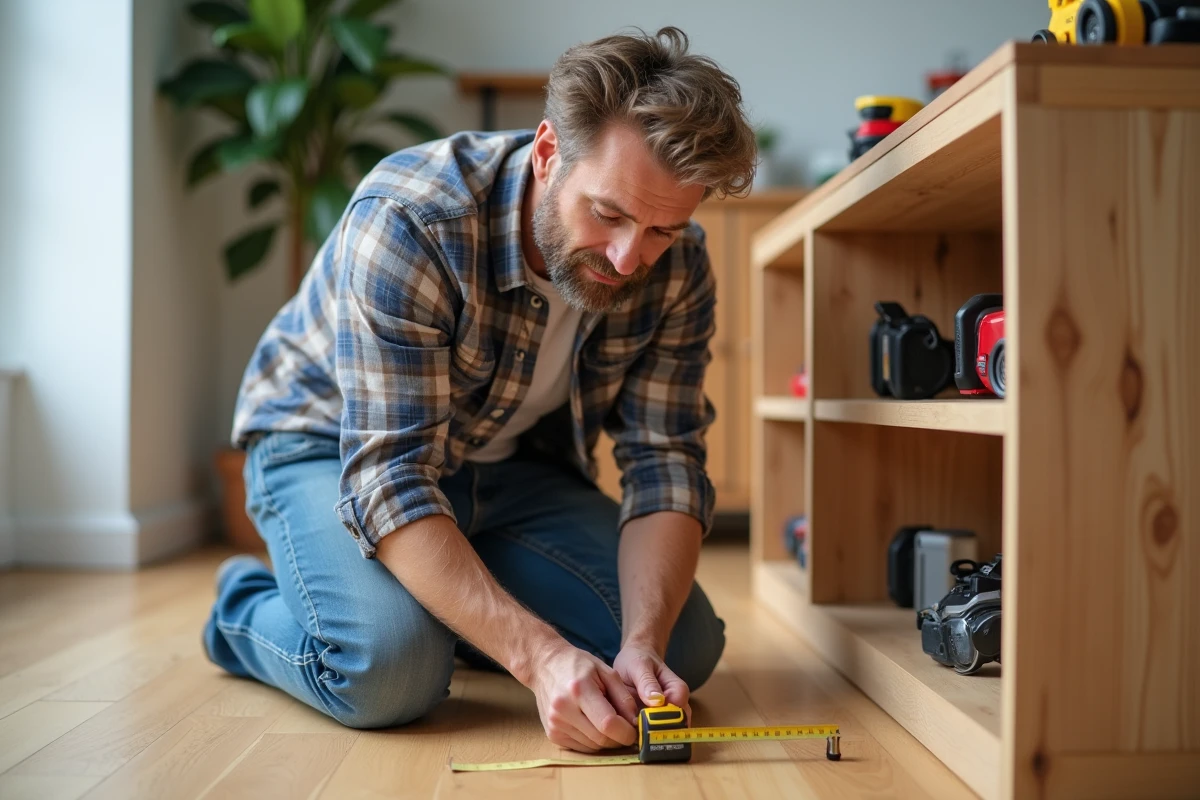
A neglected rule wastes time: measure twice, cut once. Yet, calculation errors persist even among the most experienced. Many underestimate the impact of inadequate lighting on the precision of their actions.
Most incidents occur during simple tasks, often due to unsuitable tools or a lack of preparation. However, a few methodical adjustments are enough to reduce risks and increase efficiency.
Why DIY at home is becoming simpler than one might think
DIY, once reserved for those who seemed to speak a different language, has never been more accessible. Today, anyone can give it a try, whether they are a novice or already experienced. Resources abound: video tutorials, online workshops, step-by-step guides, everything is designed to support both beginners and more advanced projects.
the Ben Le Bricoleur website supports this evolution. It brings together expert advice, feedback from experiences, and practical tips, from choosing materials to the finishing touches. The DIY forums play a driving role: exchanges, opinions, mutual aid, everything is shared there, and everyone comes away better equipped to succeed in their projects. Advice circulates quickly, the excitement is palpable, and one person’s mistakes become another’s solutions.
Figures like Anouck or Élise Malécot-Bourdelle leave a mark with their way of making each step clear and accessible. Their teaching reassures, their experience guides. Editorial platforms reinvent knowledge transfer: no unnecessary jargon, but a desire to encourage everyone to experiment, progress, and gain confidence. Home DIY is no longer experienced in isolation: the collective dimension takes precedence, as does safety.
Here’s how this dynamic translates concretely:
- Practical guides for all levels, from cautious beginners to seasoned DIYers
- Active community on forums, where help, opinions, and experiences can be found
- User reviews to choose the right tool or avoid common pitfalls
The home then becomes a playground of possibilities. With abundant documentation, everyone can adjust their actions, correct their mistakes, and above all discover that success relies neither on luck nor on a mysterious gift, but on a clear method and the power of sharing.
What reflexes to adopt to save time and avoid hassles
Before touching any tool, solid organization is essential. Plan: list the steps, estimate needs, visualize each phase in a notebook or on a board. Anticipating is already starting to succeed. Taking into account the unexpected, a missing material, a drying time, battery wear, avoids many frustrations.
Some gestures are essential for working safely. Always protect yourself: glasses, gloves, mask depending on the nature of the work. Don’t neglect checking your tools: even the slightest defect (worn blade, tired cable, twisted screwdriver bit) can turn a simple DIY task into a long-lasting hassle.
When it comes to equipment, it’s better to focus on reliability. Building a realistic budget allows you to equip yourself without unpleasant surprises. List each material, compare prices, and plan a small margin for unexpected costs. Quality tools, even basic ones, radically change the experience: a balanced hammer, a drill that holds the charge, a reliable level, all of this saves time at every step.
For anything related to electricity, gas, or structural elements, call in professionals. The safety of the home and its occupants cannot be compromised. For everything else, let yourself be guided, exchange ideas on the DIY forums, try, learn, adjust. Project after project, confidence builds.
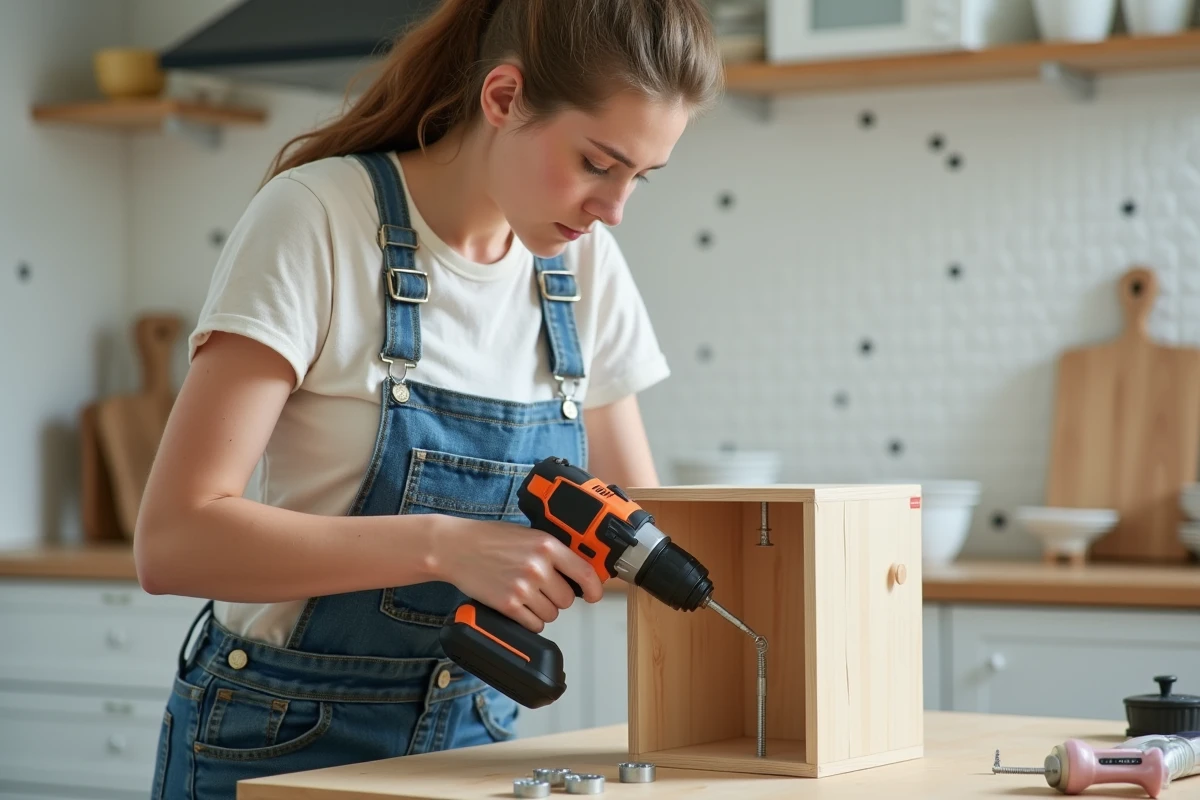
Concrete tips to try today to succeed in your projects
Start simple, progress at each step
Progress is a series of small steps. Favor simple projects to start: fixing a shelf, repainting a corner of a wall, changing a seal. These initial successes, even modest ones, boost confidence and sharpen skills. One quickly discovers that patience and perseverance are the best allies for embarking on more ambitious projects.
Maintenance: the key to durability
Well-maintained tools make all the difference. Clean hammers, screwdrivers, brushes thoroughly right after use. This rigor prolongs their effectiveness and ensures clean results. A brush left in water, a neglected saw: the consequences will be felt at the next use. Taking care of your equipment is investing in the success of future projects.
Value recycling and reuse
DIY aligns with ecology and economy. Keep leftover wood, screws, and paint remnants: they will become valuable for small repairs or creative projects. This habit limits waste and instills a spirit of resourcefulness in daily life.
To go further, here are some avenues to explore right now:
- Try the advice shared on the DIY forums to enrich your skills
- Rely on practical guides and tutorials to perfect each technique
Clumsiness is part of the journey. We learn from every mistake, we progress with each attempt. DIY enthusiasts who share their tips, from Anouck to Élise Malécot-Bourdelle and many others, are valuable allies. Their experience, available online, paves the way: it’s up to everyone to draw inspiration, experiment, and build their own expertise. The joy of successfully completing a project, big or small, waits for no one.