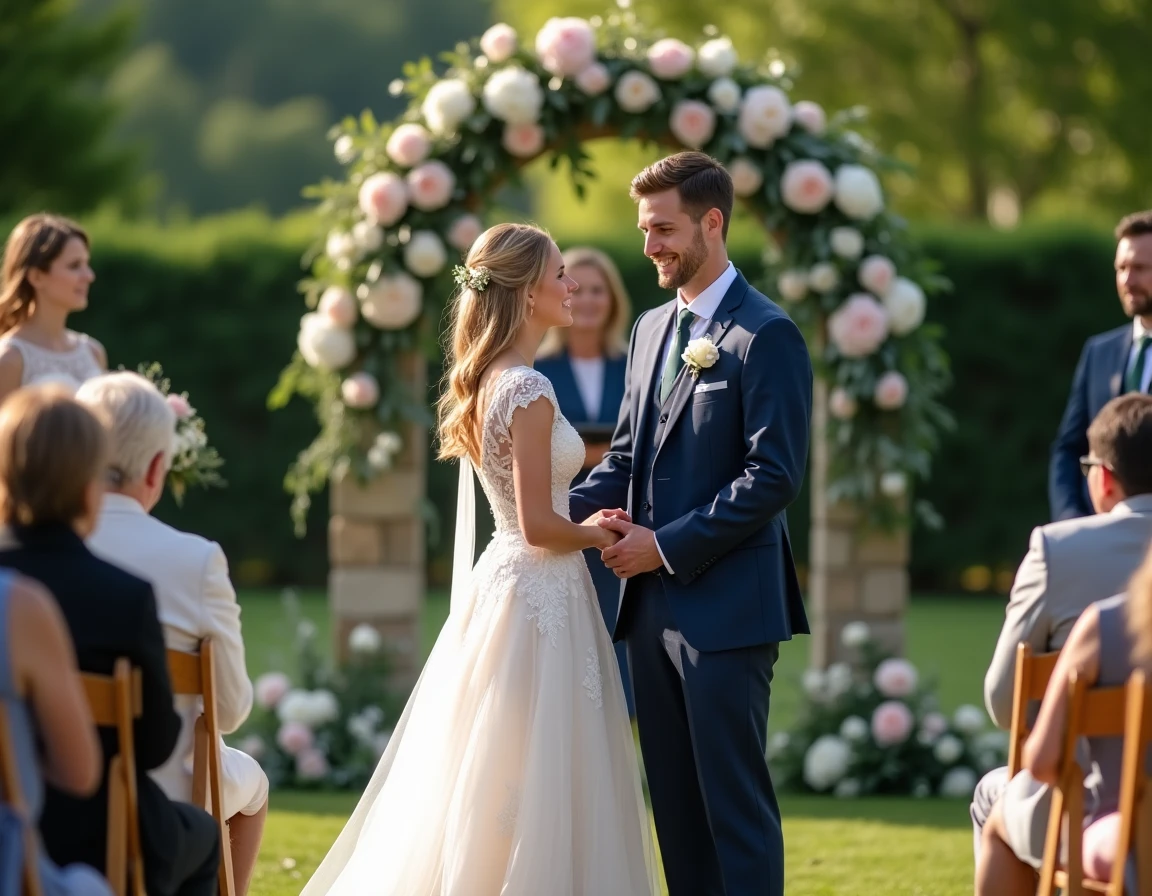
Organizing a wedding means making dozens of decisions in just a few months, often without prior experience. The venue, the date, the budget, the service providers: each choice leads to another. Rather than creating yet another chronological list, this article focuses on the trade-offs that truly make the difference between a day endured and a celebration that reflects you.
Wedding Budget: Structuring Financing Before Choosing Anything
Have you noticed that most guides start with the venue or the date? The real starting point is the budget. Without a clear envelope, every quote received generates stress.
The most effective approach is to set a total amount before contacting any service providers. This amount includes your personal savings, any family contributions, and, if necessary, a dedicated loan. Some banking institutions now offer specific arrangements to consolidate all wedding-related needs into a single financing option, with adapted repayment terms.
Once this ceiling is established, allocate it across major categories. The reception (venue, catering, drinks) usually takes the largest share. Next comes decoration, attire, photography, and entertainment. For those who want to know everything about Univers Mariage, the platform details these budget items with concrete benchmarks.
Paying in installments to service providers has become common. Many accept a payment schedule spread over several months, which avoids depleting all savings at once. Ask the question during the first meeting: it’s a selection criterion just as important as style or availability.
Reception Venue and Wedding Date: Two Choices That Should Be Made Together
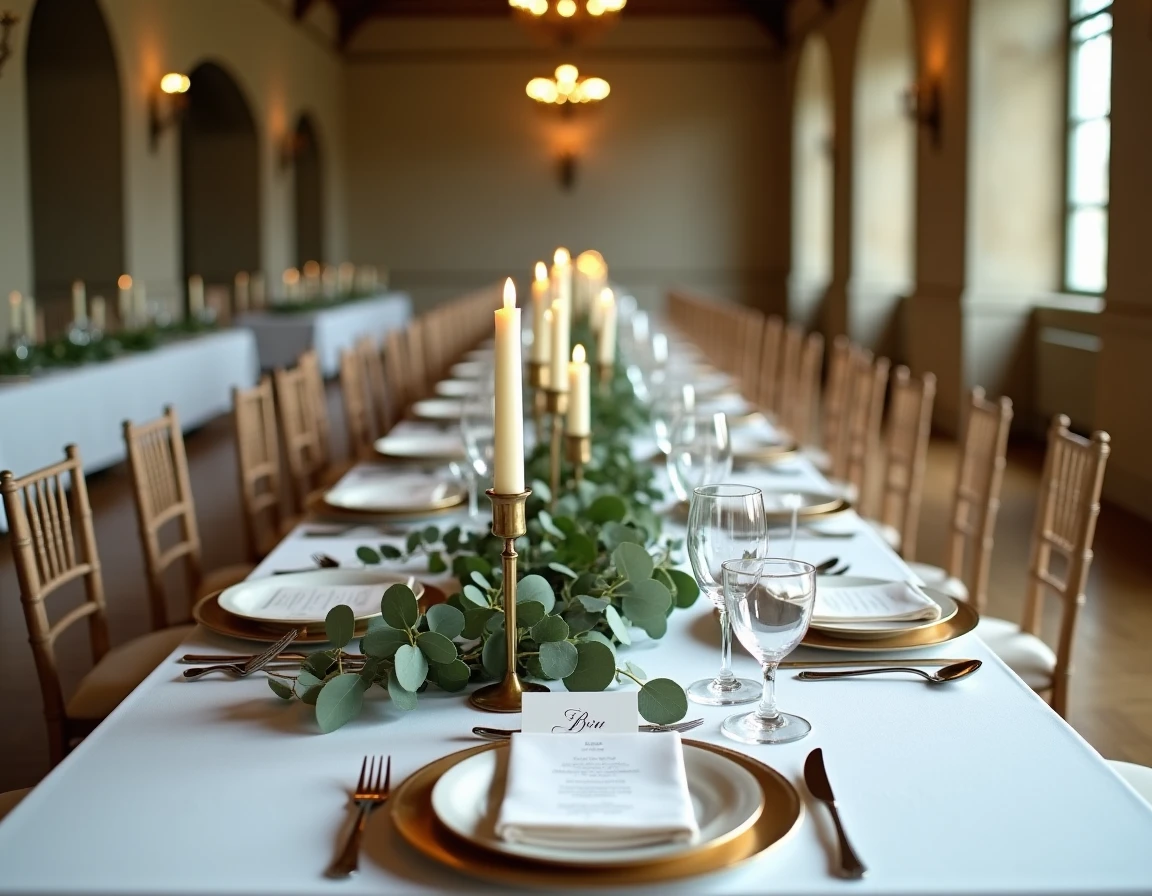
Choosing the venue without checking availability is setting yourself up for disappointment. In practice, the date and venue are negotiated in parallel. A venue you like may have a long waiting list on Saturdays during peak season but offer available slots on a Friday or in the fall.
Why does this choice deserve so much attention? Because the venue conditions almost everything else: the number of guests it can accommodate, the type of caterer allowed (some venues require their own provider), and the logistics of transport and accommodation for your loved ones.
Off-Season or Weekday: Real Savings
Getting married outside the months of June to September or on a day other than Saturday often allows access to reduced rates. Service providers (photographer, DJ, florist) are also more available, giving you more room to compare offers.
Before signing, visit the venue at the approximate time of your ceremony. The lighting, acoustics, and ambiance change depending on the time of day. A beautiful space in photos can turn out to be noisy or poorly oriented in the late afternoon.
Wedding Service Provider Planning: Building a Cohesive Team
Photographer, caterer, florist, DJ, officiant for the civil ceremony: the list of service providers can grow quickly. The temptation is to choose them one by one, based on recommendations. The risk is ending up with professionals who do not coordinate with each other.
A good provider asks questions about the other participants. A caterer who inquires about the ceremony schedule, a photographer who checks the venue’s lighting, a DJ who adapts to the program: these signals indicate a familiarity with teamwork.
- Always ask for verifiable references, not just a portfolio or a showcase website. A call to a former client couple is worth more than an online review.
- Check professional insurance, especially for the caterer and the venue. In case of cancellation or health issues, this document provides protection.
- Clarify in writing the start and end times of services, travel expenses, and cancellation conditions before paying a deposit.
Coordinating all these participants on the big day represents a full-time job. If your budget allows, a wedding coordinator (even just for the day) frees the couple and witnesses from logistical management.

Digital Tools for Guest List and Day-of Experience
Managing the guest list remains one of the major friction points in organization. Between late confirmations, dietary restrictions, and seating plans, a simple spreadsheet quickly reaches its limits.
In recent years, QR codes and dedicated apps have transformed communication with guests. A scannable code on the invitation or welcome booklet can centralize:
- Responses to invitations with menu choices, allergies, and specific needs.
- A dynamic access map with carpool options among guests.
- The day’s program updated in real-time, reducing calls and messages to the couple in case of delays or changes.
- A collaborative playlist where everyone suggests their favorite tracks before the big day.
Delegating practical information to digital tools reduces the stress of the couple on the day itself. Instead of answering logistical questions, you can enjoy your guests. Some couples go further by creating a complete wedding website with recommended accommodations, tourist activities for guests traveling from afar, and a digital guestbook.
Wedding Decoration and Theme: Choosing What Truly Reflects You
The theme doesn’t need to be spectacular to be successful. A coherent color palette, a simple guiding thread (a season, a material, a shared memory) is enough to create a recognizable atmosphere.
Flowers often represent an underestimated expense. Favoring seasonal varieties reduces costs and improves the durability of arrangements throughout the day. A skilled florist offers local alternatives that last better than an imported exotic flower.
For table decoration, the trend towards handmade items (poured candles, calligraphed place cards, small floral arrangements in thrifted containers) adds a personal touch that guests notice. This type of project should be prepared several months in advance, ideally spreading workshops over successive weekends to avoid last-minute overload.
Organizing a wedding relies less on a universal checklist than on the ability to prioritize your needs. Locked budget, venue suited to your capacity, coordinated providers, tools that alleviate logistics: these four pillars absorb most of the stress. The rest, the dress, the music, the menu, can be chosen with pleasure once the framework is set.